He was born in Cornwall in 1883, and quite early in life found a way, without getting stung, of delving into his father's hives and removing a section of honey to eat straight away. In 1912 he emigrated to New Zealand to the Winchester settlement, near Temuka. He took a position as teamster at St. Andrews and later at Holme Station. By the following year he had managed to earn enough to send for his wife and daughter, and upon their arrival he worked at Simon's Pass Station in the Mackenzie Country. In 1921 they bought the property at Springbrook, where they spent the rest of their lives. Mrs. Cloake died in 1948.
Beekeeping was started by catching swarms and some colonies bought from Mr. Pearce, of Gleniti (near Timaru). These, Mr. Cloake took home in a spring cart at the end of January and later extracted a super of honey from each colony. His apiaries increased until he was handling about 400 colonies. In those days, he sold all his honey to the H.P.A., but in 1930 he went for a trip to England, and on his return started packing honey in cartons. He invented a very effective machine for cutting honey into one pound blocks ready for packing.
Whilst always taking a live interest in the activities of the local Branch of the Beekeepers' Association, he rarely took any part in administration.
In 1949 he retired from active bee keeping, when his son Harry Cloake took over all except the home apiary. In his retirement, he concentrated on the rearing of breeder queens, and by selective breeding was able to produce a line of queens that was in demand all over New Zealand. Some of his queens were sent to Australia and the progeny of one of his queens won the Blue Ribbon of Sydney Royal Show. Although he imported some queens from America about 1939, he was not enthusiastic about what he received. In recent years, his queens were used in an attempt to establish bees in the Chatham Islands.
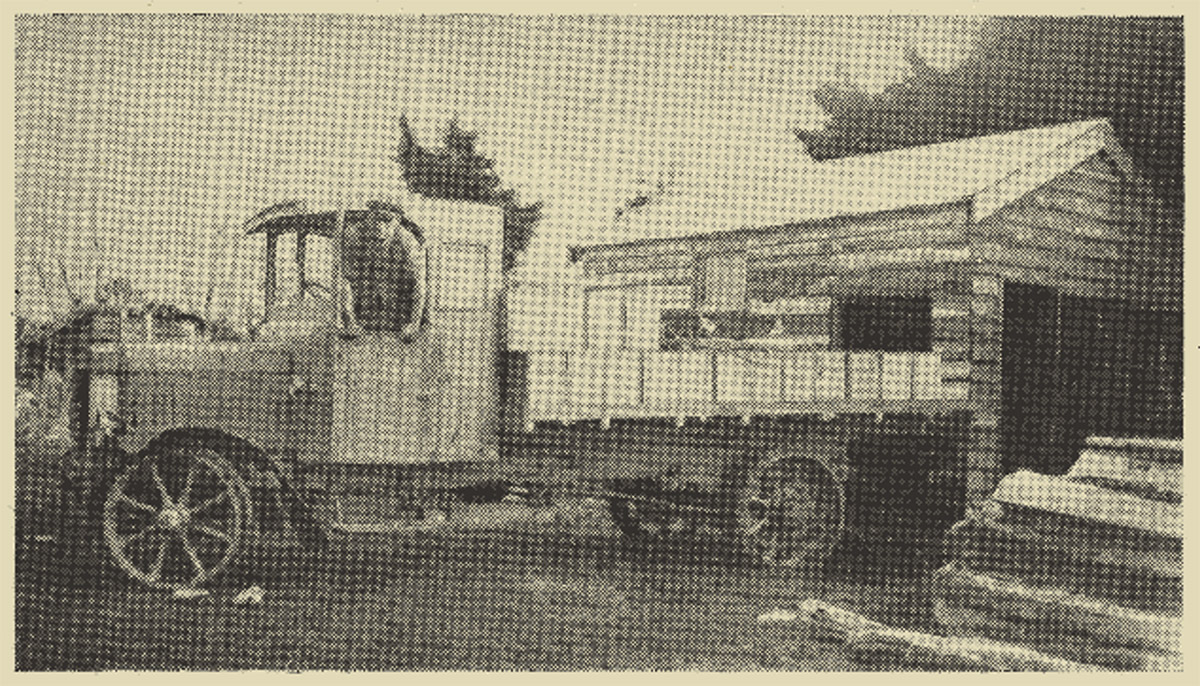
Shortly after coming to New Zealand, he took up photography as a hobby, and some of the photos made with his half plate camera still give testimony to the excellent quality of his work. He later became a colour slide and movie enthusiast, and his 8 m.m. film on bee keeping has been declared by many who have seen it to be a masterpiece of patience and photographic skill. At the time of his death, he had partly completed a new 16 m.m. film on his favourite topic, "Bees."
His wide circle of friends held him in high regard because of his very happy nature and his earnest desire to help his fellow men.
—C.D.